 contact@zocamhost.cloud
 Hosting Flash Sale: Starting at $2.59/mo for a limited time
 Live Chat
 Login
Login


The Rise of the Internet of Things (IoT): Opportunities and Challenges
The Internet of Things (IoT) has evolved from a futuristic concept into a critical component of modern technology, seamlessly integrating with various aspects of our daily lives. From smart homes and wearable devices to industrial automation and smart cities, IoT is revolutionizing how we interact with technology and each other. This blog post delves into the historical progression, opportunities, and challenges associated with the rise of IoT, offering insights into potential solutions and future considerations.
A Timeline of IoT's Ascendancy
1990s: Conceptual Beginnings
The foundational ideas for IoT emerged in the late 20th century. In 1991, the first internet-connected device, a modified toaster by John Romkey, symbolized the potential of interconnected devices. By 1999, Kevin Ashton coined the term "Internet of Things" while working at Procter & Gamble, foreseeing a future where everyday objects communicate and exchange data.
2000s: Early Adoption
The early 2000s witnessed the first practical implementations of IoT. RFID technology, used for tracking goods in supply chains, laid the groundwork for more complex applications. The introduction of IPv6 in 2003, expanding the number of available IP addresses, provided a scalable foundation for the growth of IoT.
2010s: Rapid Expansion
This decade marked explosive growth in IoT. The proliferation of smartphones, cloud computing, and affordable sensors accelerated IoT adoption. By 2013, the number of connected devices surpassed the global population. Smart home devices, wearable technology, and industrial IoT solutions began to emerge, driven by companies like Google, Apple, and Amazon.
2020s: Integration and Innovation
Currently, IoT is becoming ubiquitous. Smart cities, autonomous vehicles, and advanced healthcare monitoring systems are just a few examples of IoT's transformative impact. The convergence of IoT with AI, edge computing, and 5G networks is pushing the boundaries of what is possible, enabling real-time data processing and decision-making.
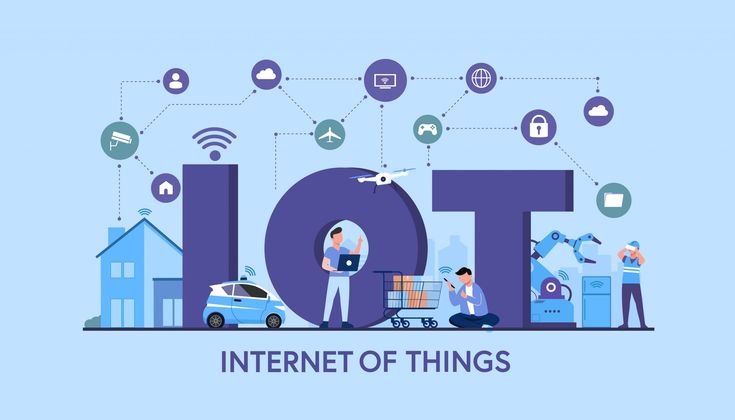
Opportunities Presented by IoT
- Enhanced Efficiency and Productivity
IoT streamlines operations across various sectors. In manufacturing, IoT-enabled machinery can predict maintenance needs, reducing downtime. Smart grids optimize energy consumption, leading to cost savings and environmental benefits.
- Improved Quality of Life
From smart homes that automate daily tasks to wearable health monitors that track vital signs, IoT enhances convenience and well-being. Smart cities utilize IoT to manage traffic, reduce pollution, and improve public services.
- Data-Driven Decision Making
IoT generates vast amounts of data, offering valuable insights. Businesses can analyze this data to understand customer behavior, optimize supply chains, and innovate products and services.
- Safety and Security
IoT enhances safety in various domains. Connected security systems monitor homes and businesses, while IoT in healthcare enables remote patient monitoring, ensuring timely interventions.
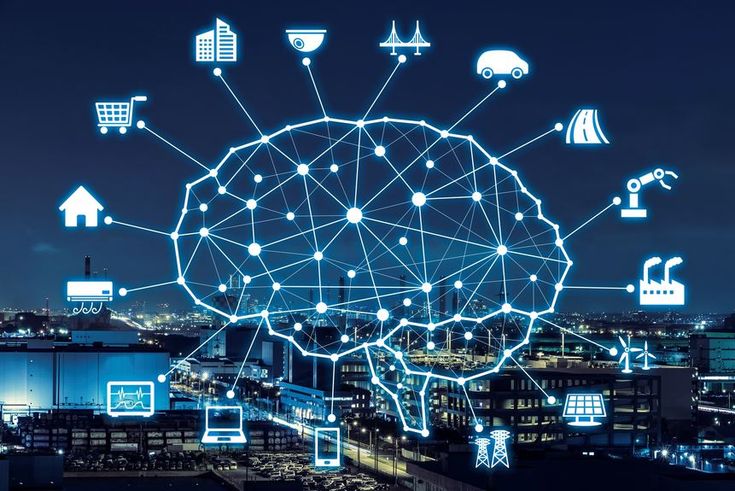
Challenges Associated with IoT
- Security Vulnerabilities
The widespread adoption of IoT devices has introduced significant security risks. Hackers can exploit vulnerabilities to gain unauthorized access to systems, potentially causing widespread disruption.
- Privacy Concerns
IoT devices collect vast amounts of personal data, raising privacy issues. Users are often unaware of the extent of data collection, and there are concerns about data misuse and breaches.
- Interoperability Issues
The diverse range of IoT devices and platforms can lead to compatibility problems. Ensuring seamless communication between different systems is crucial for the effective functioning of IoT ecosystems.
- Scalability Challenges
As the number of connected devices grows, managing and maintaining these networks becomes increasingly complex. Scalability issues can lead to performance bottlenecks and increased operational costs.
Potential Solutions to Current Challenges
- Enhanced Security Protocols
Implementing robust security measures, such as end-to-end encryption, regular software updates, and multi-factor authentication, can mitigate security risks. Establishing industry-wide standards for IoT security is also essential.
- Privacy Regulations
Governments and regulatory bodies need to enforce strict data protection laws. Transparency in data collection practices and giving users control over their data can help address privacy concerns.
- Standardization Efforts
Developing and adopting universal standards for IoT devices and communication protocols can resolve interoperability issues. Organizations like the IEEE and ISO are working towards creating such standards.
- Scalable Infrastructure
Investing in scalable infrastructure, such as cloud computing and edge computing, can support the growing number of IoT devices. These technologies enable efficient data processing and storage, reducing latency and improving performance.
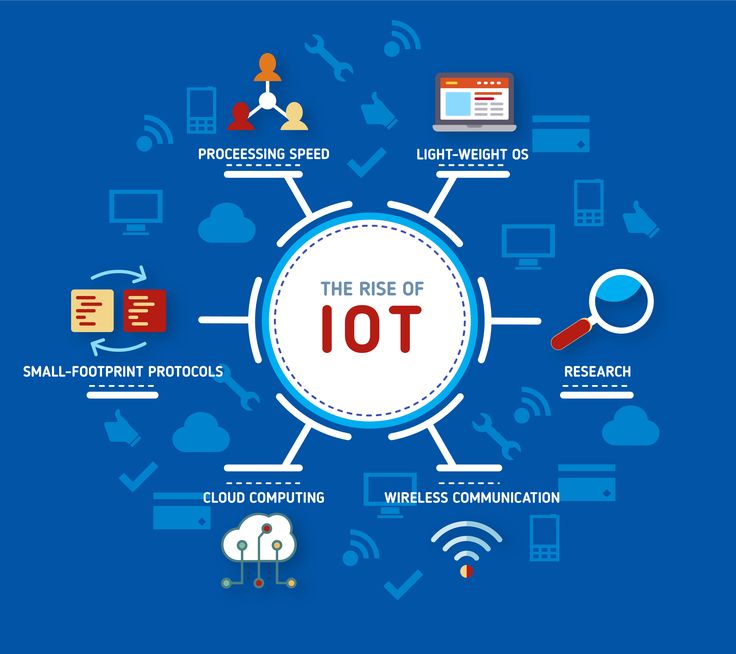
Future Challenges and Considerations
- Ethical Considerations
As IoT becomes more integrated into daily life, ethical questions about surveillance, data ownership, and consent will arise. Addressing these issues requires a balance between innovation and protecting individual rights.
- Environmental Impact
The production and disposal of IoT devices can have significant environmental impacts. Developing sustainable practices and promoting the recycling of electronic components are critical for mitigating these effects.
- Regulatory Adaptation
Rapid technological advancements often outpace regulatory frameworks. Continuous updates to policies and regulations are necessary to keep up with the evolving IoT landscape and ensure safe and fair usage.
IoT streamlines operations across various sectors. In manufacturing, IoT-enabled machinery can predict maintenance needs, reducing downtime. Smart grids optimize energy consumption, leading to cost savings and environmental benefits.
From smart homes that automate daily tasks to wearable health monitors that track vital signs, IoT enhances convenience and well-being. Smart cities utilize IoT to manage traffic, reduce pollution, and improve public services.
IoT generates vast amounts of data, offering valuable insights. Businesses can analyze this data to understand customer behavior, optimize supply chains, and innovate products and services.
IoT enhances safety in various domains. Connected security systems monitor homes and businesses, while IoT in healthcare enables remote patient monitoring, ensuring timely interventions.
The widespread adoption of IoT devices has introduced significant security risks. Hackers can exploit vulnerabilities to gain unauthorized access to systems, potentially causing widespread disruption.
IoT devices collect vast amounts of personal data, raising privacy issues. Users are often unaware of the extent of data collection, and there are concerns about data misuse and breaches.
The diverse range of IoT devices and platforms can lead to compatibility problems. Ensuring seamless communication between different systems is crucial for the effective functioning of IoT ecosystems.
As the number of connected devices grows, managing and maintaining these networks becomes increasingly complex. Scalability issues can lead to performance bottlenecks and increased operational costs.
Implementing robust security measures, such as end-to-end encryption, regular software updates, and multi-factor authentication, can mitigate security risks. Establishing industry-wide standards for IoT security is also essential.
Governments and regulatory bodies need to enforce strict data protection laws. Transparency in data collection practices and giving users control over their data can help address privacy concerns.
Developing and adopting universal standards for IoT devices and communication protocols can resolve interoperability issues. Organizations like the IEEE and ISO are working towards creating such standards.
Investing in scalable infrastructure, such as cloud computing and edge computing, can support the growing number of IoT devices. These technologies enable efficient data processing and storage, reducing latency and improving performance.
As IoT becomes more integrated into daily life, ethical questions about surveillance, data ownership, and consent will arise. Addressing these issues requires a balance between innovation and protecting individual rights.
The production and disposal of IoT devices can have significant environmental impacts. Developing sustainable practices and promoting the recycling of electronic components are critical for mitigating these effects.
Rapid technological advancements often outpace regulatory frameworks. Continuous updates to policies and regulations are necessary to keep up with the evolving IoT landscape and ensure safe and fair usage.
The rise of the Internet of Things represents a monumental shift in how we interact with technology and the world around us. While IoT presents numerous opportunities for enhancing efficiency, improving quality of life, and enabling data-driven insights, it also brings significant challenges related to security, privacy, and scalability. By addressing these challenges through robust security measures, privacy regulations, standardization efforts, and scalable infrastructure, we can harness the full potential of IoT. As we look to the future, it is crucial to navigate the ethical and environmental implications to ensure a sustainable and equitable IoT-driven world.


.jpg)


Share Your Opinion Here !